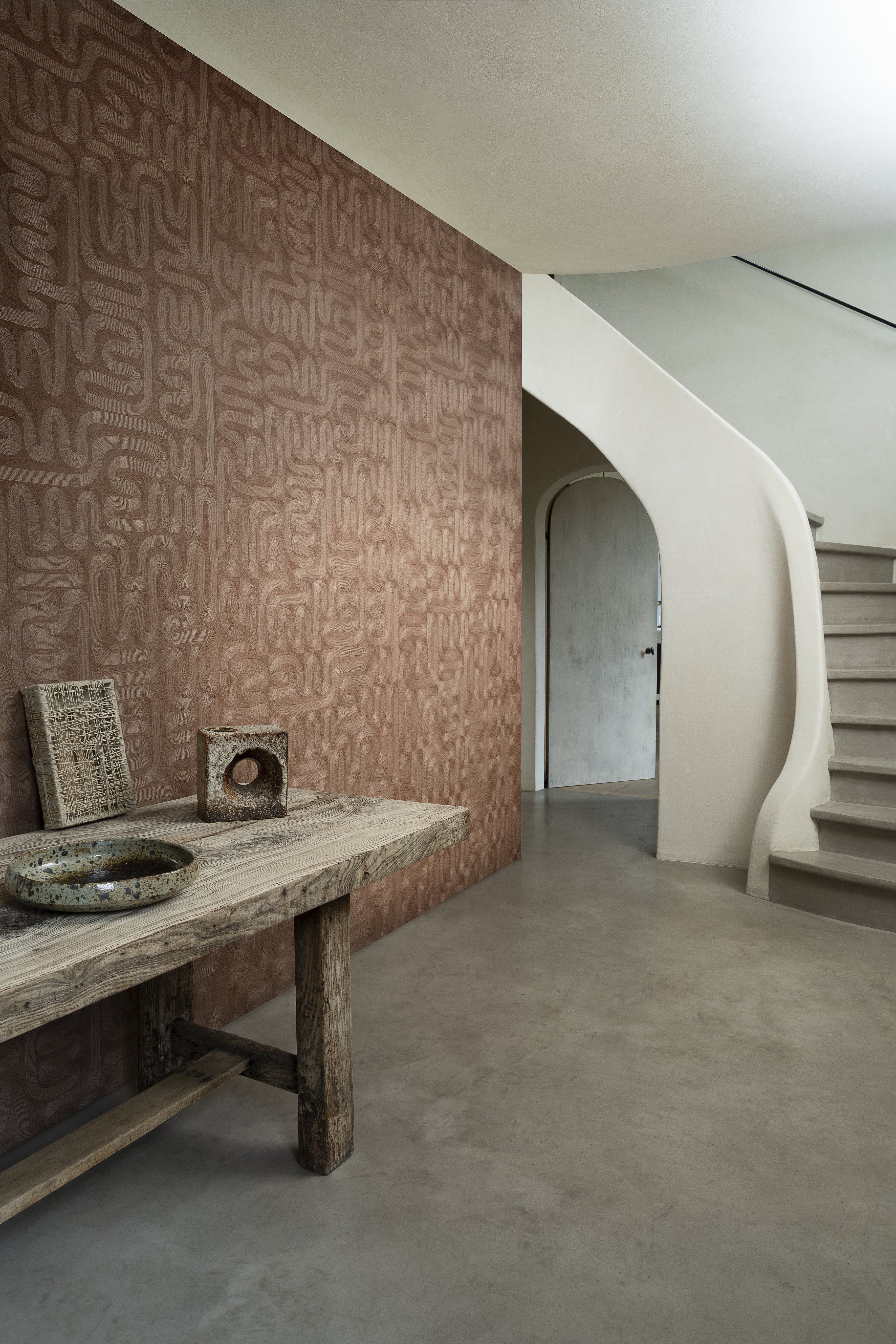
Hanging wallpaper over wallpaper can be a smart choice if the existing layer is still tight, dry and firmly attached to the wall. You save time, make less mess and sometimes avoid damaging the wall surface. But this approach only works if the wall is truly suitable. If the old wallpaper is loose, you can see relief, or you are dealing with vinyl wallpaper, fiberglass wallpaper or several old layers, then removing the wallpaper first is usually the better route. Below you can read exactly when hanging wallpaper over wallpaper does work, which glue and primer you need and for which wall surfaces you are better off choosing another solution.
Can you hang wallpaper over existing wallpaper?
Yes, you can hang wallpaper over existing wallpaper, but only under the right conditions. The old wallpaper must be firmly attached everywhere, with no bubbles, tears, lifting seams or damp spots. The surface also needs to be as flat as possible. Anything you can see or feel now will often show through the new layer. That is why wallpapering over old wallpaper is mainly suitable if the existing wall finish is still in good condition and the new wallpaper is strong and opaque enough.
If you doubt whether you can hang wallpaper over wallpaper, don't just look at the appearance but also at the adhesion. Run your hand along the seams, corners and edges. Gently pull on a loose corner. If the old wallpaper already comes loose there, the new layer is likely to cause problems later too.
When is wallpaper over wallpaper a good choice?
Pasting wallpaper on wallpaper is mainly practical if you want a neat wall quickly, without first spending hours steaming, scraping and sanding. The method works best when the old layer can serve as a stable wall surface.
- The old wallpaper sits tight against the wall everywhere.
- The wall is dry, clean and free of mold.
- There is only one old layer.
- The surface is smooth and not coarsely textured.
- The new wallpaper is not too thin or translucent.
- There is no highly glossy or washable vinyl wallpaper that adheres poorly.
In these situations, hanging wallpaper over wallpaper can work perfectly well, especially with sturdy non-woven wallpaper or other wallpaper that hides small imperfections a bit better. People in rental homes often choose this too, because it means less drastic work on the wall itself.
When should you remove old wallpaper first?
Not every wall is suitable for hanging directly over. Sometimes the old wallpaper still looks reasonable, but removing it is still the safest choice for a nicer and longer-lasting result.
- The wallpaper comes loose at seams, corners or outlets.
- There are air bubbles, tears or bumps in it.
- The wall has several layers of old wallpaper.
- You see damp spots, mold or discoloration.
- The old wallpaper has clear relief or a coarse texture.
- You want to hang over vinyl wallpaper or over washable wallpaper with a sealed top layer.
- The old color or print can show through a thin new wallpaper.
Caution is also important when hanging wallpaper over wallpaper with relief. A subtle texture often already shows through under the new strips. If you really want a smooth finish, removing the old wallpaper or leveling the surface first usually gives a better end result. Have you decided to remove it? Take a look at the products for removing wallpaper.
How to check whether your wall is suitable
Before you start hanging wallpaper over existing wallpaper, a short check is enough to avoid a lot of hassle afterwards. Press on different spots across the whole wall and listen for hollow-sounding areas. Check the zones around windows, radiators, baseboards and ceiling edges in particular, because that is where wallpaper comes loose most often.
Then wipe the surface with a slightly damp cloth. If a lot of dirt, powder or old paint comes off, the wall needs to be cleaned or prepared better first. With glossy layers or painted wallpaper, extra attention is needed, because hanging wallpaper over painted wallpaper or over sprayed wallpaper adheres less predictably than on a normal porous wall surface.
Step-by-step plan for hanging wallpaper over wallpaper
If the wall surface is suitable, you can work fairly efficiently. Do follow a fixed order, because the preparation is what determines whether the new wallpaper stays up nicely.
1. Check and repair loose spots
Cut away loose edges or glue small open seams down first. Imperfections you ignore now will show through in the finish later. Fill small damage lightly where needed and let everything dry well.
2. Clean the wall and remove grease
Dust, grease and nicotine reduce adhesion. So clean the wall with a mild cleaning product and let the wall dry completely. This is an important step, especially in a kitchen, hallway or smoking area.
3. Use a suitable primer or wallpaper base coat
A primer for wallpaper over wallpaper helps make the wall surface more even and improves adhesion. This is wise especially on old, absorbent or slightly powdery walls. The best primer for wallpaper over wallpaper is usually a base coat that suits the type of new wallpaper and the existing underlayer. Preferably don't just pick something universal if you are working on a smooth, painted or tricky material. Also see how to prepare the wall surface for wallpaper.
4. Choose the right new wallpaper
Sturdy types work best. Non-woven wallpaper over wallpaper is often a logical choice, because it keeps its shape and hides small irregularities better than very thin paper wallpaper. Paintable wallpaper, renovation non-woven or certain heavier qualities can also be suitable, as long as the wall surface is stable.
5. Hang the strips carefully
Work on a clean, dry wall and preferably don't let the seams of the new wallpaper fall exactly on the old seams. This reduces the chance of tension building up along the same line. Press the wallpaper on firmly and remove air bubbles right away.
6. Finish seams and edges neatly
Cut tightly along the ceiling, baseboard and window frames, and check all corners once more after hanging. Let the room dry calmly without extreme drafts or high heat, so the glue can cure evenly.
Which glue for wallpaper over wallpaper?
The right glue depends mainly on the type of new wallpaper. For non-woven wallpaper you normally use non-woven wallpaper glue. For paper wallpaper you need paper wallpaper glue. If you want to know which glue suits your type of wallpaper best, also read which wallpaper glue for which type of wallpaper. Also pay extra attention to adhesion if the old layer is sealed, smooth or painted.
For non-woven wallpaper over old wallpaper, good-quality non-woven wallpaper glue is usually the best choice. It gives enough open time and strong adhesion. Don't just use regular glue if the manufacturer advises otherwise. That also applies to questions like non-woven wallpaper with regular wallpaper glue or pasting non-woven wallpaper with regular wallpaper glue: technically something may sometimes stick, but it is not the recommended method and it increases the risk of problems with seams or shrinkage.
Do you need a primer?
Not always, but it is often wise. A primer or wallpaper base coat provides more even absorption and can prevent the glue from being drawn into the wall surface too quickly. Especially if you are considering hanging wallpaper over a painted wall, over latex wall paint or over a painted wall, a suitable pre-treatment matters more than with normal porous wallpaper.
Also when hanging wallpaper over non-woven wallpaper, over renovation non-woven or over scannable wallpaper, a primer can help create a more stable surface. It won't magically make the wall smooth, but it does reduce the chance of poor adhesion and visible strip transitions.
Which wallpaper is best suited to hang over old wallpaper?
Not every type of wallpaper performs equally well on an existing wallpaper layer. In practice, sturdier types are the most forgiving. Also look at the different types to better decide what suits your wall surface.
- Non-woven wallpaper: keeps its shape, is easy to work with and is often suitable if the old wallpaper is smooth and firmly attached.
- Renovation non-woven: can hide small irregularities better, but needs a stable and even base.
- Paintable wallpaper: handy if you still want to choose a color finish after hanging.
- Photo wallpaper on sturdy non-woven: can work on a flat existing wall surface, as long as patterns or relief don't show through.
Very thin paper wallpaper or transparent light designs are less ideal, because the old wall surface stays visible more easily. If you want a smooth result, preferably choose a slightly heavier quality with enough coverage.
Hanging wallpaper over non-woven wallpaper, renovation non-woven or fiberglass wallpaper
Many people don't just search for wallpaper over wallpaper, but more specifically for the wall surface that is already on their wall. That makes sense, because feasibility differs per material.
Hanging wallpaper over non-woven wallpaper
Hanging wallpaper over non-woven wallpaper often works well, provided the non-woven wallpaper is still tight and not damaged or pulled loose. Especially with smooth non-woven wallpaper, rehanging is usually easier than with relief wallpaper. Pasting non-woven wallpaper over non-woven wallpaper is therefore possible, but check carefully for seams and any thickened spots.
Hanging wallpaper over renovation non-woven
Hanging wallpaper over renovation non-woven works as long as the renovation non-woven adheres firmly and the surface is evenly finished. With painted renovation non-woven, a lot depends on the paint layer. Hanging wallpaper over painted renovation non-woven often calls for an extra primer to make the adhesion more reliable. In doubt? Read more about renovation non-woven wallpaper.
Hanging wallpaper over fiberglass wallpaper or glass fleece
Hanging wallpaper over fiberglass wallpaper, glass fabric wallpaper or glass fleece is trickier. This material often has a texture that is easy to see through the new layer. With a very smooth variant it can sometimes work, for example with renovation non-woven or another sturdy layer, but with a classic fiberglass texture, leveling or removing first is usually better. If you are specifically searching for hanging wallpaper over fiberglass wallpaper, wallpaper over fiberglass or hanging over glass fabric wallpaper, don't automatically count on a smooth end result without extra groundwork.
Hanging wallpaper over painted or finished walls
Some searches are not about old wallpaper, but about walls that are already painted or finished. Slightly different rules apply then.
Hanging wallpaper over latex or wall paint
Hanging wallpaper over latex, over latex paint or over wall paint is possible if the paint is firmly attached and the wall surface is clean and matte enough. Smooth, sealed paint often needs degreasing and a primer. On powdery or poorly adhering paint, you must repair it first before you start hanging wallpaper.
Hanging wallpaper over plaster or a plastered wall
Hanging wallpaper over plaster or over a plastered wall works fine, but fresh plaster must be completely dry. On strongly absorbent walls, a sealer or primer is important to prevent the glue from drying too quickly.
Hanging wallpaper over textured paint, spachtelputz or spray plaster
Hanging wallpaper over textured paint, over spachtelputz, over spray plaster or over sprayed spack texture is only feasible if the texture is very fine or is smoothed first. On a rough wall or with coarse plaster, the texture often stays visible. In such cases, hanging directly is rarely the nicest solution.
Can you paste wallpaper over tiles?
Pasting wallpaper over tiles is a separate situation. In dry rooms it can sometimes work, but only if the tiled wall is made flat and the grout lines don't keep showing through. Without leveling, you almost always see the tile pattern come back. In damp rooms, such as a bathroom or directly around a cooking area, extra caution is needed. Searches like wallpaper over tiles bathroom, bathroom wallpaper over tiles or PVC wallpaper kitchen over tiles show that there is a lot of doubt about this, and rightly so: moisture, smooth tiles and grout lines make this far from a standard job.
If you want to hang wallpaper over tiles, a smoothly prepared wall surface matters more than the wallpaper itself. Only then do you have a chance of a neat finish.
Common mistakes when hanging wallpaper over wallpaper
- Starting too quickly without checking the adhesion of the old layer.
- Leaving loose seams in the hope that the new wallpaper will hide everything.
- Choosing a wallpaper that is too thin or light-colored, so the old print stays visible.
- Not using a primer on a smooth or painted wall surface.
- Letting the seams of new and old wallpaper fall exactly on top of each other.
- Hanging wallpaper over damp spots or mold.
- Using the wrong glue for the chosen type of wallpaper.
Is wallpaper over wallpaper better than removing it?
That depends on the condition of the wall. If the old wallpaper still sits perfectly tight and is smooth, hanging directly over it can be faster and more practical. But if you doubt the adhesion, moisture, texture or the number of old layers, removal is almost always the better investment. That way you avoid having to start over later.
So don't see hanging wallpaper over old wallpaper as a standard solution, but as a smart option for the right situation. The flatter and more stable the existing layer, the greater the chance of a good result.
Frequently asked questions about hanging wallpaper over wallpaper
Can you do wallpaper over wallpaper?
Yes, that is possible if the old wallpaper is firmly attached, dry and has no clear damage or texture. With loose, damp or strongly textured layers, it is wiser to remove it first.
Which glue for wallpaper over wallpaper?
Use the glue that suits the new type of wallpaper. For non-woven wallpaper that is usually non-woven wallpaper glue. When in doubt, follow the application instructions of the manufacturer of the new wallpaper.
What is the best primer for wallpaper over wallpaper?
A suitable wallpaper base coat or primer that makes the wall surface more even and uniform is usually the best choice. Exactly which one is suitable depends on the current wall finish and the new wallpaper.
Can I hang wallpaper over leftover bits of wallpaper?
That is not advisable. Leftover bits create differences in height, extra seams and weak spots. For a smooth result, the wall surface must be uniform everywhere.
Can you paste non-woven wallpaper over wallpaper?
Yes, pasting non-woven wallpaper over wallpaper often works well, provided the old layer is smooth and stable. Non-woven wallpaper keeps its shape and is therefore often one of the most suitable choices.
Can you hang wallpaper over painted wallpaper?
Sometimes, but a painted layer is often smoother and less absorbent. That makes a primer extra important. Also check that the paint is not flaking or powdering.
Can you apply photo wallpaper over existing wallpaper?
Yes, but only on a flat and even wall surface. With photo wallpaper, imperfections show up faster, especially with light or calm designs. So only choose this approach if the existing layer is truly smooth.
Can you hang wallpaper over vinyl wallpaper?
Usually that is less suitable. Vinyl wallpaper often has a sealed, smooth top layer on which new glue adheres poorly. Removing it first is then often the safest solution. If you mainly want a quick refresh, painting the wallpaper can be an alternative in some cases.