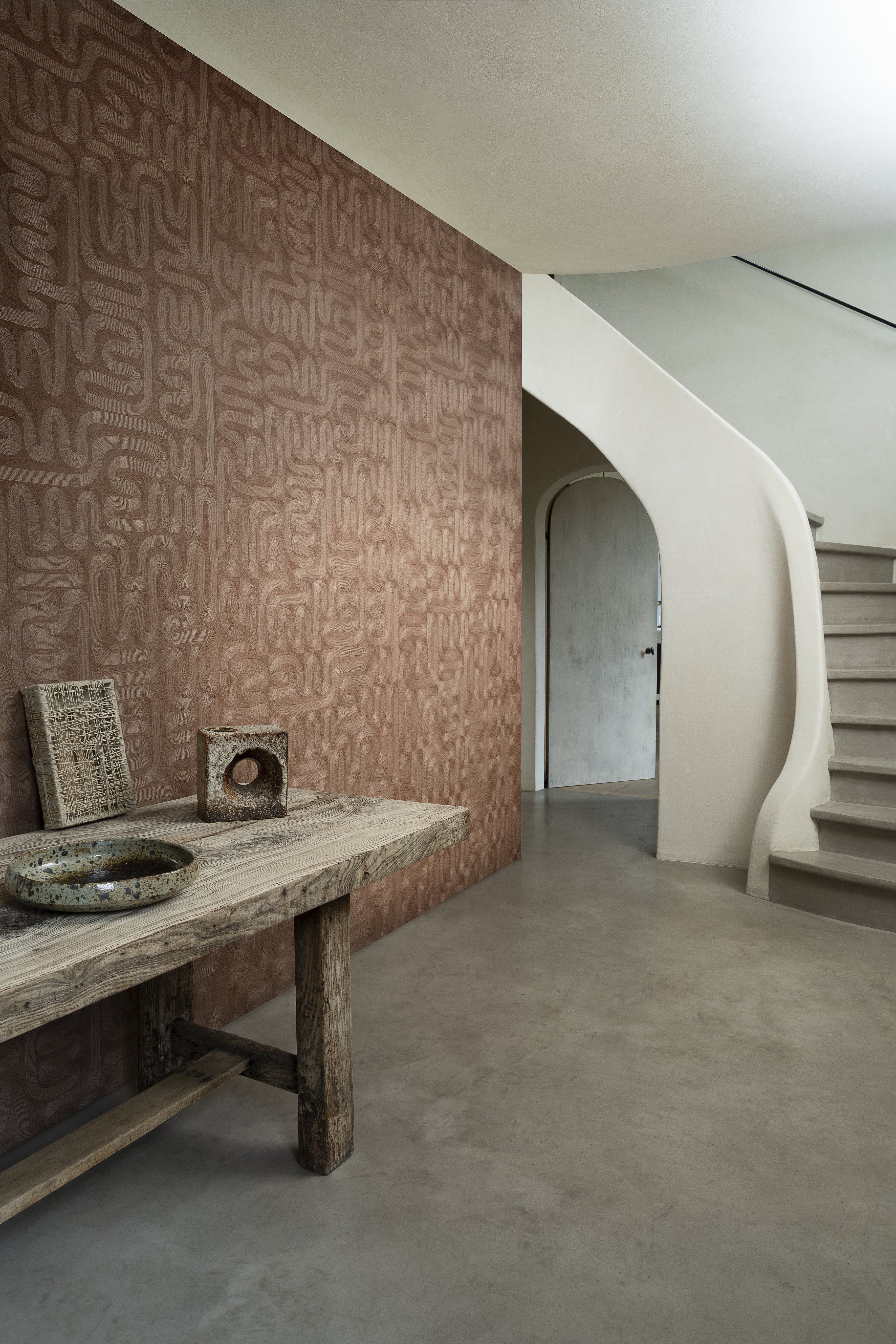
The right wallpaper glue prevents loose seams, bubbles and disappointment. Choose your glue based on the type of wallpaper, the wall surface and the way you apply it. In this guide you will read exactly which wallpaper glue to use for non-woven wallpaper, paper and vinyl, glass fabric, photo wallpaper and tricky wall surfaces such as wood. Tip: with ready-mixed paste you work fast and consistently. Use the right tools with it; in our overview of wallpapering tools you will find glue rollers, brushes and smoothing tools that make applying easier.
Types of wallpaper glue: and when do you choose which?
There are roughly two types: ready-mixed paste and powder glue. Ready-mixed is ideal if you want convenience and consistent quality: you can start right away, without lumps or waiting time. You stir powder glue with water; it is affordable and fine for paper wallpaper, as long as you measure accurately and stir well.
Also pay attention to how the wallpaper is hung. Non-woven wallpaper is glued with the paste-the-wall method. Paper wallpaper is usually pasted on the wallpaper itself and left to soak briefly. Heavier wallpaper or a special backing calls for a glue with higher initial grab. Our Universal Wallpaper Glue is a safe choice for much paper and non-woven wallpaper. For premium and heavier wall coverings, a professional paste such as ARTE ClearPro gives extra certainty. You may wonder: does Action sell wallpaper glue? Yes, but note that discount glue often contains less solid content, so adhesion and workability can disappoint.
Non-woven wallpaper: which glue works best?
Non-woven wallpaper is tear-resistant, shrink-free and you hang it with glue directly on the wall. Use non-woven wallpaper glue with high initial grab for this, preferably ready-mixed if you want to work fast and neatly. Spread an even, thin layer on the wall and hang the strip dry. Press seam to seam, without overlap. Work the air out with a smoothing tool from the middle outward and remove any glue residue right away with a slightly damp cloth.
The wall surface check is crucial. Prime very absorbent walls first, fix powdery walls. On very smooth, non-absorbent wall surfaces, choose a stronger dispersion paste. If you are working with heavy patterns or textile or vinyl-on-non-woven from design brands such as ARTE or Eijffinger, choose a professional glue such as ARTE ClearPro for reliable adhesion and neat seams. Keep the room conditions calm (no drafts or strong heat sources) so the glue dries evenly and the strips match nicely. Working with renovlies wallpaper? You hang that with paste-the-wall glue; choose a paste with high initial grab for tight seams.
Paper, vinyl and photo wallpaper: which wallpaper glue?
You hang paper wallpaper with cellulose or universal wallpaper glue. Paste the wallpaper according to the instructions and respect the soaking time. Vinyl wallpaper is heavier and often has a plastic top layer: choose a vinyl-suitable or universal glue with extra adhesive strength. Photo wallpaper: which glue do you use? Always follow the manufacturer. Standard non-woven photo wallpaper is hung with non-woven glue on the wall. Which glue for photo wallpaper on Airtex or similar textile or PVC backings? Use a strong dispersion paste such as ARTE ClearPro for a flat result without seams that spring back.
Glass fabric and glass fiber wallpaper: glue choice and tips
Glass fabric and glass fiber wallpaper are strong, dimensionally stable and need a specific glass fabric glue, preferably a ready-mixed paste with high initial grab. Spread the wall evenly, press seams tight and remove excess glue immediately. Prime absorbent or uneven walls first for even drying. After curing you can paint over it with wall paint; work in two thin coats for a smooth, full-bodied end result. Unsure about the material choice? Read glass fiber wallpaper vs glass fabric wallpaper: differences for a clear explanation.
On wood and other tricky wall surfaces
Which wallpaper glue do you use on wood? For MDF, plywood or painted wood, first degrease, sand lightly and seal with a suitable primer so the wall surface does not absorb and does not move. Then hang non-woven wallpaper with non-woven glue or, for heavier wall coverings, a strong dispersion paste. On very smooth or non-absorbent wall surfaces, always use an adhesion primer to be safe.
Ready to start with the right glue for your project? Easily order your Universal Wallpaper Glue or ARTE ClearPro. Above €99 we deliver for free. Need extra help with hanging? Take a look at our step-by-step instruction videos and get started with confidence.